


Seller's Guide: Your Step-by-Step Journey to a Successful Sale
From Decision to Closing: What Actually Happens (And When)
Selling your home is one of the most significant financial transactions of your life. It's also an emotional journey—you're saying goodbye to a place filled with memories while simultaneously dreaming about what comes next. The process can feel overwhelming if you don't know what to expect.
This guide is designed to change that. Think of it as your roadmap, showing you exactly what happens at each stage, how long it typically takes, and what you need to do to keep things moving smoothly. No surprises. No confusion. Just clarity and confidence every step of the way.
Before We Begin: The Truth About Selling in Today's Market
Every seller I work with asks the same question: "Is now a good time to sell?"
That's the right question to ask, and with expert strategy and advocacy, the answer can be "yes." Real estate is defined by hyper-local "micro-climates"—what's happening on your street matters more than a national headline. A skilled negotiator creates opportunity in any market, and there are always qualified buyers for a home that is well-presented and strategically marketed. We provide a precise analysis of your immediate area's conditions and craft a data-driven plan to position your home for maximum success, turning any climate to your advantage.
Now, let's walk through exactly how we'll make that happen.
Phase 1: The Preparation Stage (Days 1-30)
This is where we lay the groundwork for a successful sale. The time you invest here pays dividends later.
Step 1: The Initial Consultation
Our journey begins with a conversation. I want to understand:
- Why you're selling and your timeline
- Your financial goals for the sale
- What you love about your home (so we can highlight it)
- Any concerns or questions you have
I'll also share:
- My marketing approach and how it's different
- Current market conditions in your specific neighborhood
- What you can expect from me throughout the process
What you'll receive: A comprehensive market analysis showing recent sales of comparable homes in your area, current listings you're competing with, and a recommended price range.


Step 2: The Home Assessment
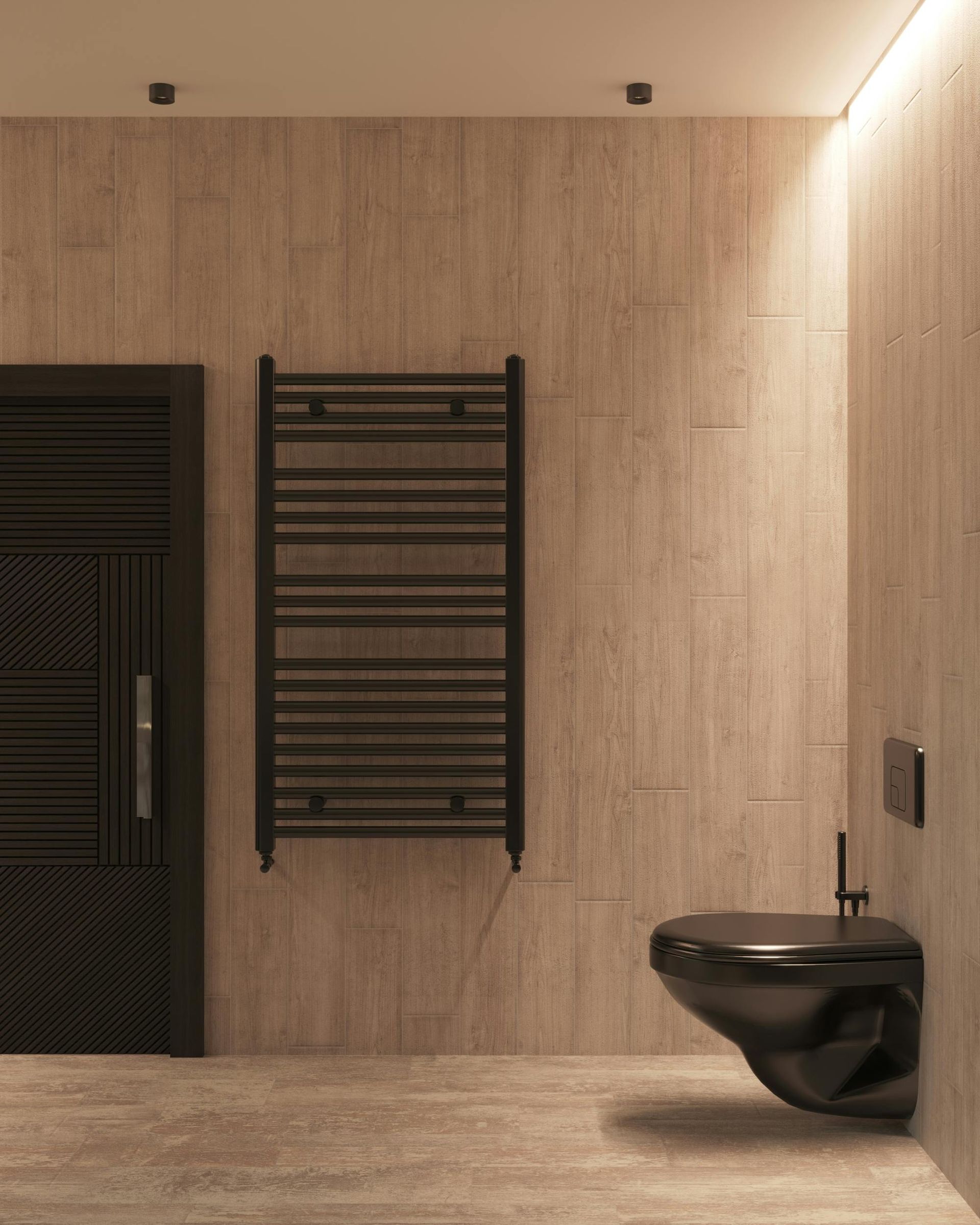
We'll walk through your home together, and I'll provide honest feedback on:
- What's working well (let's highlight these features)
- What could be improved (simple fixes that make a difference)
- What absolutely needs attention before listing
- Potential staging opportunities
This isn't about criticizing your home—it's about seeing it through a buyer's eyes and making sure it shows its absolute best.
Step 3: Preparing Your Home
Based on our assessment, you'll have a clear action plan. This typically includes:
- Decluttering: Removing 30-40% of belongings so rooms feel spacious
- Deep cleaning: Every surface, every corner, every window
- Minor repairs: Fixing what's broken or worn
- Painting: Neutralizing bold colors if needed
- Staging: Arranging furniture and décor to maximize appeal
I provide detailed checklists and can connect you with trusted vendors for anything you don't want to tackle yourself—cleaners, painters, handymen, stagers.
Pro tip: Start packing now. The less you have in the house when we list, the better it shows, and you'll thank yourself later when moving day arrives.
Step 4: Pricing Strategy
Pricing is part art, part science—and it's the single most important decision we'll make together.
The goal: Price your home to attract maximum interest while achieving your financial goals.
The reality: Overpricing is the most common and costly mistake sellers make. Homes that start too high sit on the market, get stale, and often sell for less than they would have with strategic pricing from day one.
We'll look at:
- Recent sold comparables (what similar homes actually sold for)
- Active competition (what buyers are currently considering)
- Market trends (is your area appreciating, stable, or cooling?)
- Your home's unique features (views, upgrades, location)
What you'll receive: A detailed pricing recommendation with supporting data, plus a discussion of different pricing strategies and their likely outcomes.
Step 5: Professional Photography and Marketing Materials
In today's digital-first world, your home's online presentation is everything. Before we go live, we'll capture it at its absolute best.
What's included:
- Professional photography (high-resolution, expertly lit)
- Drone photography (for properties with land, water views, or unique settings)
- Virtual tour or video walkthrough
- Floor plan (buyers love knowing the layout before they visit)
- Written description that tells your home's story
Why this matters: Listings with professional photos sell 32% faster and for higher prices. Buyers make decisions in seconds—we need to capture their attention immediately.

Step 4: Pricing Strategy
Pricing is part art, part science—and it's the single most important decision we'll make together.
The goal: Price your home to attract maximum interest while achieving your financial goals.
The reality: Overpricing is the most common and costly mistake sellers make. Homes that start too high sit on the market, get stale, and often sell for less than they would have with strategic pricing from day one.
We'll look at:
- Recent sold comparables (what similar homes actually sold for)
- Active competition (what buyers are currently considering)
- Market trends (is your area appreciating, stable, or cooling?)
- Your home's unique features (views, upgrades, location)
What you'll receive: A detailed pricing recommendation with supporting data, plus a discussion of different pricing strategies and their likely outcomes.
Step 5: Professional Photography and Marketing Materials
In today's digital-first world, your home's online presentation is everything. Before we go live, we'll capture it at its absolute best.
What's included:
- Professional photography (high-resolution, expertly lit)
- Drone photography (for properties with land, water views, or unique settings)
- Virtual tour or video walkthrough
- Floor plan (buyers love knowing the layout before they visit)
- Written description that tells your home's story
Why this matters: Listings with professional photos sell 32% faster and for higher prices. Buyers make decisions in seconds—we need to capture their attention immediately.
Phase 2: The Marketing and Showing Stage (Days 1-30)
This is where your home meets the market. Our job is to generate maximum exposure and create competition among buyers.
Step 6: Going Live
On launch day, your home will be featured across multiple platforms:
- MLS: The database every real estate agent uses—this is your primary exposure
- Major portals: Realtor.com, Zillow, Redfin, and others
- Social media: Targeted posts on Facebook and Instagram
- Email network: Sent to every agent in our office and beyond
- My website: Featured prominently with dedicated page
What happens next: The first 24-48 hours are critical. Agents will notify their buyers, showings will be scheduled, and we'll gauge initial market response.
Step 7: Showings and Open Houses
Buyers will want to see your home in person. We'll coordinate to make this as smooth as possible.
Showings:
- Typically scheduled through a central showing service
- We'll provide as much notice as possible
- Your home should be "showing ready" at all times (this is the hardest part for sellers, but it's temporary!)
Open houses:
- We'll schedule public open houses to attract additional interest
- These also give neighbors a chance to see your home (neighbors often know someone who wants to live on your street)
Feedback: After each showing, I'll follow up with agents to get honest feedback. What did buyers love? What concerns did they have? This information helps us adjust strategy if needed.

Step 8: Monitoring Market Response
During the first few weeks, we'll watch closely:
- How many showings are we getting?
- What are buyers saying?
- Is the price generating the right level of interest?
If activity is strong, great—we're on track. If it's slower than expected, we may need to adjust price or marketing strategy before the listing gets stale.
Phase 3: The Offer and Negotiation Stage
This is where it gets exciting. When an offer comes in, our work together intensifies.
Step 9: Receiving and Evaluating Offers
When an offer arrives, I'll present it to you with my analysis:
- Purchase price (obviously important, but not the only factor)
- Buyer's financing (pre-approval strength matters)
- Contingencies (inspection, appraisal, sale of current home)
- Proposed closing date
- Earnest money deposit (shows how serious the buyer is)
- Any special requests or terms
Multiple offers: If we're fortunate enough to have multiple buyers interested, I'll guide you through evaluating each offer and crafting counteroffers that maximize your position.
Step 10: Negotiation
This is where experience matters. I'll advocate for your interests while keeping the deal together.
What we can negotiate:
- Price
- Closing date
- Repair requests after inspection
- Who pays certain closing costs
- What personal property stays or goes
My approach: I'm a fierce negotiator but also a pragmatist. The goal is to get you the best possible terms while keeping the buyer engaged and motivated to close.
Phase 4: The Due Diligence and Closing Stage (30-45 Days)
This is the period between accepted offer and closing day. It's busy, but I'll be with you every step.
Step 12: The Inspection Period
The buyer will hire a professional inspector to evaluate your home thoroughly.
What to expect:
- Inspection typically takes 2-4 hours
- The inspector will examine roof, HVAC, plumbing, electrical, foundation, appliances, and more
- You don't need to be present (but you can be if you prefer)
After the inspection:
- Buyer receives a report with findings
- They may request repairs or credits
- We'll review requests together and negotiate a response
My role: I'll help you evaluate which requests are reasonable, which are negotiable, and how to respond in a way that keeps the deal moving forward.
Step 13: The Appraisal
The buyer's lender will order an appraisal to confirm the home is worth what they're lending.
What to expect:
- Appraiser visits the home (typically 15-30 minutes)
- They'll compare your home to recent sales
- They're looking for condition, size, features, and location
If the appraisal comes in low:
- We can challenge it with additional comps
- Negotiate with the buyer to split the difference
- Reduce the price to match the appraisal
- The buyer can bring additional cash to closing
If the appraisal comes in at or above contract price: Smooth sailing ahead.
Step 14: Title Search and Insurance
A title company will research your home's history to ensure there are no liens or ownership disputes.
What they're checking:
- Property taxes are paid
- No outstanding mortgages or judgments
- Clear chain of ownership
- Any easements or restrictions
Title insurance: The buyer will purchase a policy protecting them against future title issues. In Florida, it's common for sellers to pay for the buyer's title policy.
Step 15: Preparing for Closing
As we approach closing day, there's still work to do:
Buyer's final walk-through:
- Typically within 24 hours of closing
- They verify repairs were completed
- Ensure the home is in expected condition
- Confirm all included items are present
Packing and moving:
- Complete your move before closing day
- Leave the home broom-clean
- Gather all manuals, warranties, and codes for appliances and systems
Final paperwork:
- Review closing disclosure (shows final numbers)
- Gather identification for closing
- Arrange for wire transfer or certified funds if needed
Step 16: The Closing
Phase 5: Closing Day
This is it—the day you officially transfer ownership and receive your proceeds.
What happens:
- You'll meet with the closing agent (usually at a title company)
- Sign numerous documents (I'll be there to explain anything confusing)
- Transfer ownership to the buyer
- Receive your proceeds (typically wired to your account)
How long it takes: About an hour, give or take.
What to bring:
- Government-issued ID
- Keys, garage door openers, gate codes
- Any items you've agreed to leave for the buyer
Step 17: After Closing
Once the paperwork is signed and funds are transferred, the home officially belongs to the new owner.
What's left:
- Forward your mail
- Cancel or transfer utilities (your closing agent will advise on final readings)
- Celebrate! You've successfully sold your home.
A Final Word from Andonia
Selling a home is a journey—one that mixes financial strategy with emotional significance. I've guided hundreds of sellers through this process, and I've learned that what people value most is clear communication, honest advice, and someone who truly has their back.
Throughout this process, you can expect:
- Regular updates (no waiting and wondering)
- Straight talk about what's working and what isn't
- Advocacy that puts your interests first
- A calm, steady presence when things get stressful
When you're ready to begin, I'm here. We'll move at your pace, with your goals as our North Star.
Contact Us
We will get back to you as soon as possible.
Please try again later.